


As of June 2025neural stem cell transplantationThe cost of a single treatment is between 70,000 and 120,000 RMB.If multiple treatments are required over a long period of time (e.g., Parkinson's disease, spinal cord injuries, etc.), the total cost may be up to$280,000 to $480,000. Costs primarily cover cell preparation (accounting for 50%-60%), surgical implantation, postoperative monitoring, and long-term medication management.
Currently, neural stem cell transplantation is not covered by the national basic health insurance routine reimbursement coverage. According to the Beijing Municipal Health Insurance Bureau's 2024 release, "Beijing Health Insurance Issuance [2024] No. 16," only theHematopoietic stem cell transplantation for 12 types of hematologic diseases and some genetic diseasesSurgical and hospitalization costs (at a rate of 50%-70%) are reimbursed, but donor-related costs (e.g., matching, transportation) remain out-of-pocket.
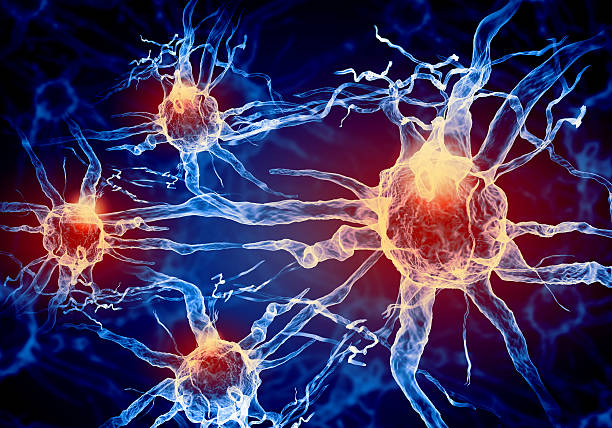
A panorama of neural stem cell transplantation costs: an in-depth analysis of single treatments to long-term regimens
Neural stem cell transplantation, a cutting-edge treatment for neurodegenerative diseases and injuries, has a complex cost structure and is influenced by multiple factors. According to the latest clinical data from the 2025Cost of a single neural stem cell transplantbetween $60,000 and $100,000, and for chronic diseases such as Parkinson's disease and spinal cord injuriesLong-term comprehensive treatment(Usually 3-5 transplants are required.) The cost can be as high as $200,000 to $500,000 dollars. Such high costs pose a huge financial challenge to most ordinary families.
1.1 Analysis of core cost components
The total cost of neural stem cell transplantation is made up of the following key components:
Cell Preparation and QC Costs (of total costs 50%-60%)::
- Cell collection: Stem cells are obtained from autologous bone marrow or adipose tissue at a cost of about $20,000-$50,000; allogeneic sources are subject to an additional matching fee ($5,000/trial) and donor reimbursement.
- Laboratory expansion and culture: GMP standard laboratory is used for neural stem cell directed differentiation, which takes 4-6 weeks and costs 100,000-200,000 RMB.
- Cell quality control assays: includingsterility testing(Bacteria/Fungi/Mycoplasma),Cell Activity Assay(>90% is qualified),phenotyping(CD markers) andGenomic Stability Validation, costing about $20,000-$50,000 dollars.
Medical Operations and Hospitalization Costs (of total costs 25%-35%)::
- Surgical implantation: stereotactic intracerebral injection or localized spinal cord injection, surgical fee 5,000 RMB;
- Postoperative monitoring: Includes 24-hour neurological monitoring and complication management at an average daily cost of $500-$2,000 and usually requires 7-14 days of hospitalization.
- Intraoperative image navigation: Intraoperative MRI or CT guidance for precise localization adds $10,000-30,000 to the cost;
Complementary Therapies and Long-Term Management (15%-25% of total costs)::
- Immunosuppressants: tacrolimus and other drugs are needed after allogeneic transplantation; imported drugs are about $16,000/month, and domestically produced drugs can reduce the cost of 40%;
- Rehabilitation therapy: Neurological function training, physiotherapy, etc., 0.5-10,000 yuan per month;
- Follow-up monitoring: Periodic PET-CT or functional MRI, $0.5 - $10,000 per visit;
Table : Cost Comparison of Neural Stem Cell Transplantation for Different Neurological Disorders (2025 Data)
| indications | treatment plan | Single cost range | Recommended Treatment | Total cost estimate |
|---|---|---|---|---|
| spinal cord injury | Local injection of lesions + intravenous infusion | $70,000-$100,000 | 2-3 times | 210,000-300,000 dollars |
| Parkinson's disease | Targeted implantation in the substantia nigra region of the brain | 80,000-110,000 dollars | 1-2 (additional) | $160,000-$220,000 |
| (medicine) sequelae of stroke | Intravenous infusions predominate | $70,000-$100,000 | 3-4 times | 210,000-400,000 dollars |
| senile dementia | Multi-point injection in Haima district | $70,000-$100,000 | Single + periodic reinforcement | $280,000-$500,000 |
1.2 Analysis of domestic and external cost differentials
Choosing overseas treatment needs to be weighed carefully against value for money. Data shows that the Mayo Clinic in the United States charges as much as $10,000 for a neural stem cell transplant.500,000-2 million dollars/ time, the cost of the National Center for Research on Sengoku Medicine in Japan is approximately$300,000-$800,000, while organizations such as Bangkok Hospital in Thailand are known for$200,000 - $400,000prices to attract international patients.9 Notably, theDomestic high-end medical institutions(e.g., neurosurgery departments of Beijing Tiantan Hospital and Shanghai Huashan Hospital) are close to the international level, and the cost is controlled at$250,000-$500,000andNo need to bear the cost of traveling for cross-border medical treatmentThe
II. Status quo and breakthroughs in health insurance reimbursement: synergies between policy dividends and commercial insurance
2.1 Limitations of coverage under the National Basic Health Insurance (NBHI)
As of June 2025, the National Health Insurance Catalog for neural stem cell transplants is stillFull coverage not achieved. Existing policies are largely skewed in favor ofHematopoietic Stem Cell Transplantation for Blood Disorders, such as the Beijing Municipal Health Insurance Bureau's November 2024 release of Beijing Health Insurance Fa [2024] No. 16, which explicitly includes hematopoietic stem cell transplants for leukemia, lymphoma, and other 12 types of hematologic disorders in the reimbursement scope, but theNeural stem cells not included in paymentThe
However, positive signals are emerging from the policy. Through the "Boaikang" universal commercial insurance, Guangdong Province has provided a number of benefits forPatients with nerve damage from rare diseasesof outpatient drug costs provide reimbursement of up to 601 TP3T. These pilot programs offer the possibility of future inclusion of neural stem cell therapy in Medicare.
2.2 Local policy breakthroughs and commercial insurance supplements
In some areas, the burden on patients has been reduced through a multi-level medical insurance system:
Local supplementary medical insurance::
- Beijing: Hematopoietic stem cell transplant patients treated in designated hospitals can be reimbursed for 50%-70% surgical hospitalization fees (no annual cap), but thecell harvesting fee,culture expansion feeStill fully self-paid.
- Zhongshan "Boaikang": patients with rare diseases (e.g. spinal muscular atrophy) using specific drugs (e.g. sodium nosinosonate) on an outpatient basis can be reimbursed for the out-of-pocket portion of more than 10,000 RMB after reimbursement by the basic medical insurance for 60%, with an annual limit of 200,000 RMB.
Specialized medical assistance::
- Chinese Red Cross Foundation: Nerve injury patients can apply for up to 200,000 RMB "Angel Relief Fund", need to provide proof of low income and treatment plan in a tertiary hospital.
- Welfare Foundation for the Disabled: Spinal cord injury patients with disability certificates can receive subsidies of $30,000-80,000 for rehabilitation treatment
| Reimbursement channels | Examples of covered items | reimbursement rate | minimum payment standard | Requirements for application |
|---|---|---|---|---|
| Basic medical insurance (Beijing) | Transplant surgery fees, hospitalization fees | 50%-70% | not have | Limited to designated hospitals, blood diseases preferred |
| Universal Insurance (Boaikang) | Rare disease drugs, high value consumables | 60% | 0.7 million - 1.7 million | Participation in local health insurance |
| Charitable Medicine Giving Program | Immunosuppressants, neurotrophic drugs | Free or 50% | not have | Low income certificate + medical certificate |
| Clinical Research Program | Full course cell therapy fee | full exemption | not have | Meets inclusion criteria |
2.3 Special case scenarios for fee waivers
Two special cases may significantly reduce the patient's out-of-pocket percentage:
Clinical Trial ParticipationPhase I Clinical Study of Neural Stem Cells for Parkinson's Disease (NCT2025-0287) at Beijing Tiantan Hospital provides enrolled patients withFull free treatmentThe cost of cell preparation, surgery and follow-up is covered.
Critical Illness Insurance Benefits: Diagnosed in patients under 18 years of agemedulloblastomaZhongshan Boaikang offers 28 major diseases, includingOne-time fixed compensation of $20,000The
III. Five practical ways to reduce treatment costs
3.1 Laddered treatment strategies: from basic to intensive
Differentiated treatment plans for different stages of the disease can significantly optimize the cost structure:
Early intervention phase(Less severe symptoms):
- optionintravenous infusionAlternative to open heart surgery at a reduced cost 40%-50%
- adoptionOutpatient day treatmentModels to save hospitalization costs (e.g., Peking Union Medical College Hospital neural stem cell outpatient infusion service)
Intensive treatment in the middle and late stages(severe neurologic deficit):
- acceptanceCombined transplantation program: After initial surgical implantation, 1-2 additional subsequent IV infusions to maintain efficacy
- application (form etc)Hospital installmentsFor example, Shanghai Huashan Hospital offers 12 interest-free installments, with a down payment of 30% to initiate treatment.
3.2 Accurate matching of free medical resources
Official Clinical Research Platform::
- The China Clinical Trial Registry (ChiCTR) website searched for "neural stem cells" and found 17 open studies in the second quarter of 2025;
- Highlighted Recommended Projects:Research on "iPSC-NSC transplantation for spinal cord injury" at 301 Hospital(NCT2025-0412), which fully funds the cost of surgery and rehabilitation.
International multicenter trials::
- Participation in Phase III studies conducted by multinational pharmaceutical companies (e.g., Bayer's STAR-G trial) with subsidized international standard treatment and transportation
- Attention needs to be paid to the criteria for inclusion: the usual requirementsNo neurosurgery,Disease duration less than 5 yearsof patients 10
3.3 Optimizing the use of policy tools for inter-provincial reimbursement
Patients with off-site medical care can improve their reimbursement rates by standardizing the process:
- Filing 30 days in advance: Submit a referral request and upload medical records through the National Health Insurance Service Platform (NHISP) APP;
- Application for electronic vouchers: The health insurance bureau of the participating place issues the Inter-provincial Medical Care Voucher, which is synchronized to the hospital of consultation;
- Direct settlement of claims: Swipe the card to settle the bill at designated hospitals (53 nationwide) that have opened direct compensation for different locations, and reimburse the 50%-70% basic medical expenses instantly.
IV. Future trends and guidelines for patient action
4.1 Policy- and technology-driven price reduction trends
The field of neural stem cell therapy is seeing two major drivers of change:
Direction of policy breakthroughs::
- The State Drug Administration has placed theNeural stem cell preparations for spinal cord injuryIncluded in priority review (batch 12 in 2024) and expected to be included in Medicare when approved for marketing in 2026
- Medicare Payment Reform: DRG Payment Pilot Includes Neurorestorative TreatmentsBJGD23 disease groupThe payment rate is about $400,000 per
Technology to reduce costs::
- 3D bioreactor scale-up culture: Reduces cost of cell preparation by 30%-40% (Jiangsu Alp 2025 data)
- Automated Cell Injection System: Reduced operating time by 60% and operating costs by 50% (Shanghai Ruijian Medical FibroTron System)
Conclusion: Rationalizing the Cost Challenge and Seizing the Opportunity for Policy Transformation
Neural stem cell transplants, while costly, are made possible by theStep-by-step treatment strategy,Precise Policy Matchingup toInnovative payment methodsPatients are advised to pay close attention to the update of "Clinical Guidelines for Cell Therapy Products" issued by the Center for Drug Evaluation (CDE) of the State Administration of Pharmaceutical Affairs (SDPA), and at the same time to regularly check the "National Health Insurance Service Platform" APP for "Stem Cell Therapy Pilot News". Stem Cell Therapy Pilot Program" in the app of "National Health Insurance Service Platform".
important reminderAny service claiming to be "stem cell cosmetic and anti-aging" is illegal! Only 47 stem cell clinical studies have been approved by the State Food and Drug Administration (updated in 2025), which are mainly forneurological damage,disease of the bloodand other serious diseases. Patients should choose medical institutions recorded by the National Health Commission (e.g. Beijing Tiantan Hospital, Shanghai Huashan Hospital, Neurosurgery Department of West China Hospital in Sichuan) to stay away from the cost traps of informal institutions.
Disclaimer: This article is intended only to disseminate scientific knowledge and share industry perspectives, and does not constitute any clinical diagnostic advice! The information published by Hangi Stem Cells is not a substitute for the professional advice of a physician or pharmacist. If you have any questions about copyright or other issues, please feel free to contact me.
郑重声明:本文版权归原作者所有,转载文章仅为传播更多信息之目的,如作者信息标记有错误,请第一时间联系我们修改或删除,多谢。
Leave a Reply