



I. Introduction of the Regulations: laying the "cornerstone of the rule of law" for the development of China's cell therapy policy and industry
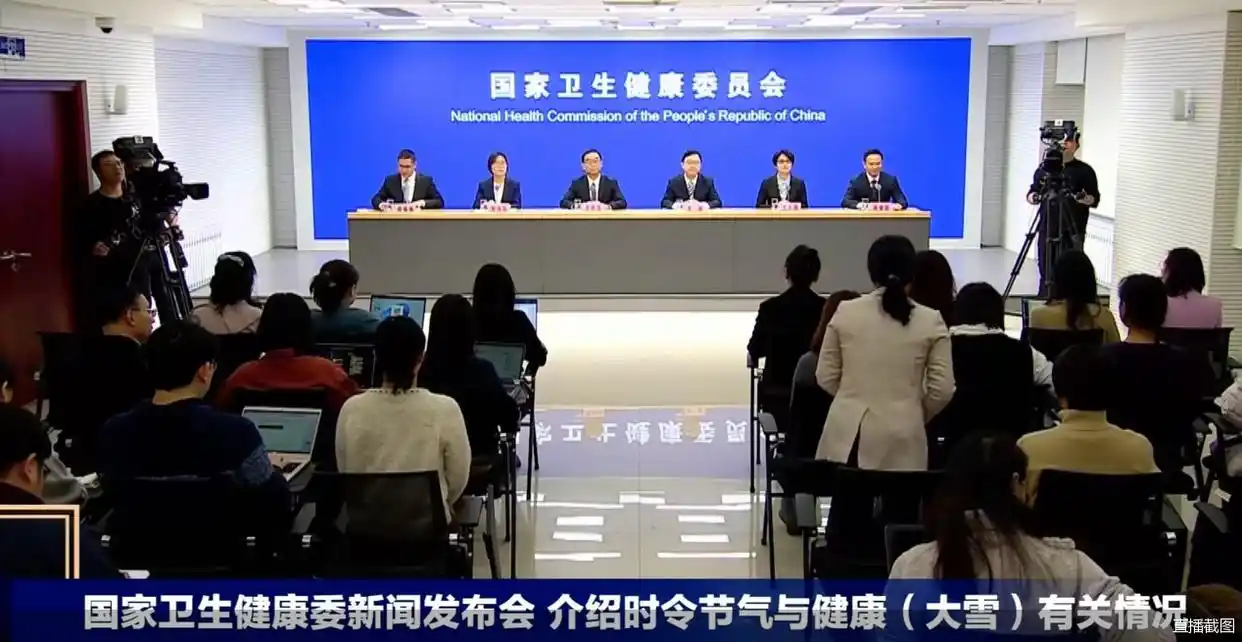
On October 10, Premier Li Qiang signed and published theRegulations on the Administration of Clinical Research and Clinical Translational Application of New Biomedical Technologies" and is scheduled to go into effect on May 1, 2026.The central significance of this event is the establishment of an authoritative and uniform national regulatory framework for the entire industry.
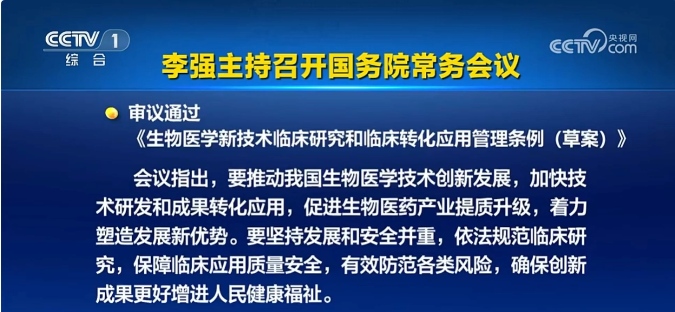
For a long time, new biomedical technologies, including cell therapy, have often faced challenges such as inconsistent ethical review standards and ambiguous regulatory pathways during clinical translation due to their cutting-edge and high-risk nature. This not only affects the efficiency of technology transformation, but also sows hidden dangers for the long-term healthy development of the industry.
The enactment of the Ordinance, like a "basic law", will address these issues at the top level:
Clarification of rights and responsibilities and pathways: It provides a clear legal basis and operational guidelines for the whole process of clinical research and translational application, enabling R&D organizations, hospitals and enterprises to "have a law to follow" and stabilize expectations.
(b) Building an ethical and safety bottom line: national legislation has further strengthened ethical review and the protection of patients' rights and interests, putting a "seat belt" on the "high speed" of innovation and enhancing public trust in cutting-edge therapies.
Creating a predictable innovation environment: A stable and transparent regulatory environment is key to attracting long-term capital and top talent. The implementation of the Regulations will stimulate market dynamics at the institutional level and guide the orderly investment of resources.
Implications for the future: the Regulations will come into force in 2026, giving the industry plenty of lead time.It signifies that China's cell therapy field will move from the exploration period of "barbaric growth" to the maturity period of "standardized development", paving the way for the safe and efficient transformation of a large number of innovative therapies in the future!The
The 15th Annual Stem Cell Conference in Chongqing: An "Innovation Engine" to Gather Global Wisdom
October 10th.The 15th Annual Conference of China Stem Cell 2025 opens in Chongqing-Science Hall, ChinaThe theme of this year's conference is "Stem Cell Research and Translation - A Hundred Boats Race". With the theme of "Stem Cell Research and Transformation - A Hundred Boats Competing for Flows", nearly 3,000 experts and scholars from well-known universities, scientific research institutes, medical institutions and biomedical enterprises in China, Japan, South Korea, Singapore, Australia and Malaysia gathered together to exchange views and discuss cooperation on topics such as progress in basic stem cell research, clinical translation and application, and industrial development and upgrading. Gathered together, they focused on the progress of basic stem cell research, clinical translation and application, industrial development and upgrading and other topics to carry out exchanges and discuss cooperation.
It's not just an academic feast.It is also an open platform to highlight China's integration into the global innovation network and drive cooperation between industry, academia and research.The
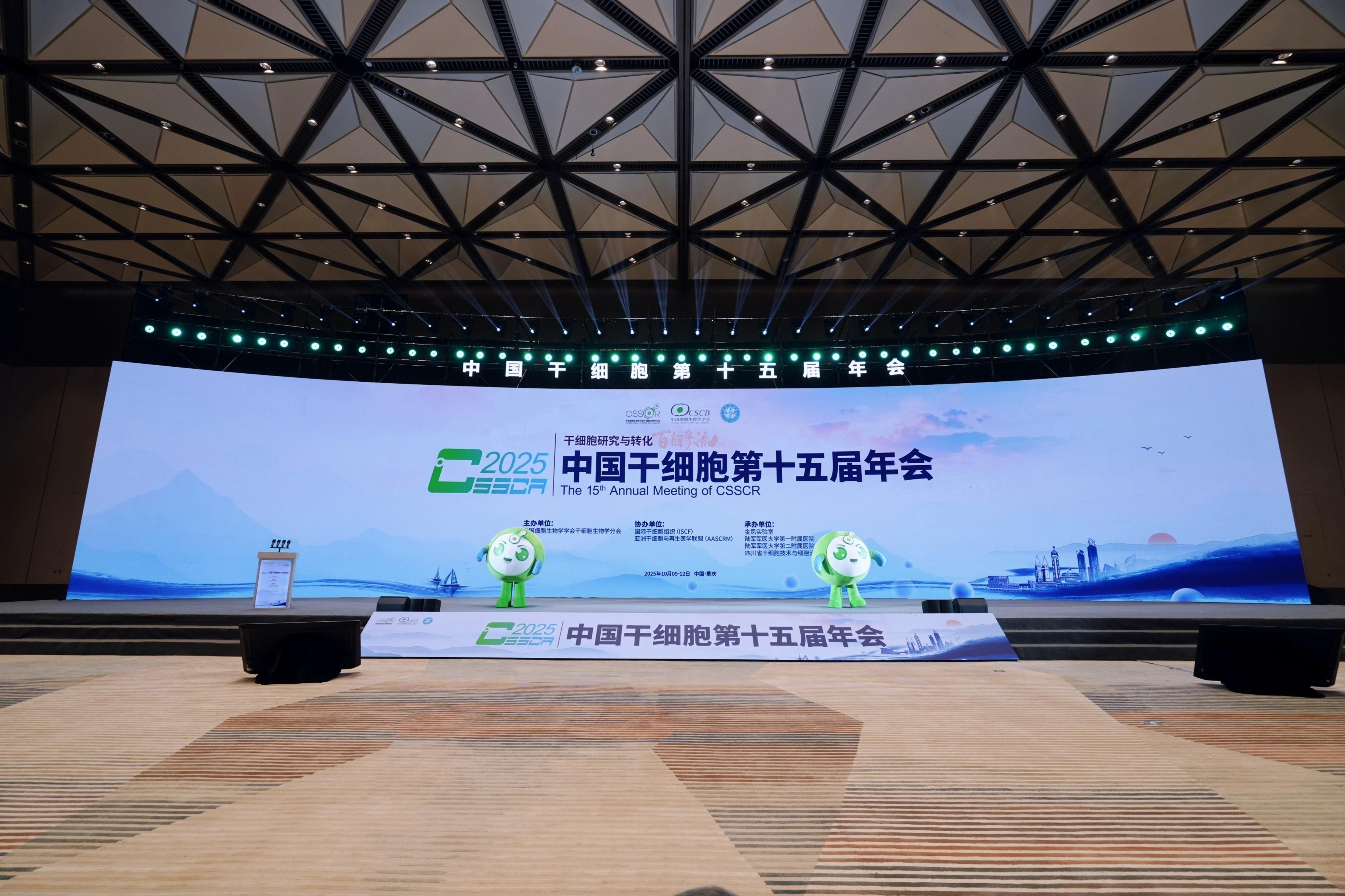
The annual meeting sends multiple signals:
Demonstrate confidence and openness:China's research results need to be shown to the world, and the world's advanced experience needs to be introduced into China. Such large-scale international exchanges are a reflection of China's confidence in its scientific research strength and a necessary way to keep pace with the international frontiers.
Catalytic Collaboration and Transformation:The conference centered on the topics of "Basic Research, Clinical Translation, and Industrial Development", which directly promoted the collision of ideas among academia, industry, and the medical community, and many cross-institutional and cross-border collaborative projects may sprout.
Gathering Consensus and Direction:In the competitive pattern of "a hundred boats competing for the flow", the annual meeting has played a role in unifying ideas and clarifying the direction of research, so that the national R & D strength in the key issues to form a synergy.
Implications for the future:Continuous, high-level international academic exchanges will ensure that China's cell therapy research direction will always stand at the forefront of the world, and accelerate the transformation of laboratory breakthroughs into real-world therapies that can benefit patients through efficient industry-university-research cooperation.
III. Zhongyuan Xiehe project: a "key hand" in breaking through the supply chain "necklace"
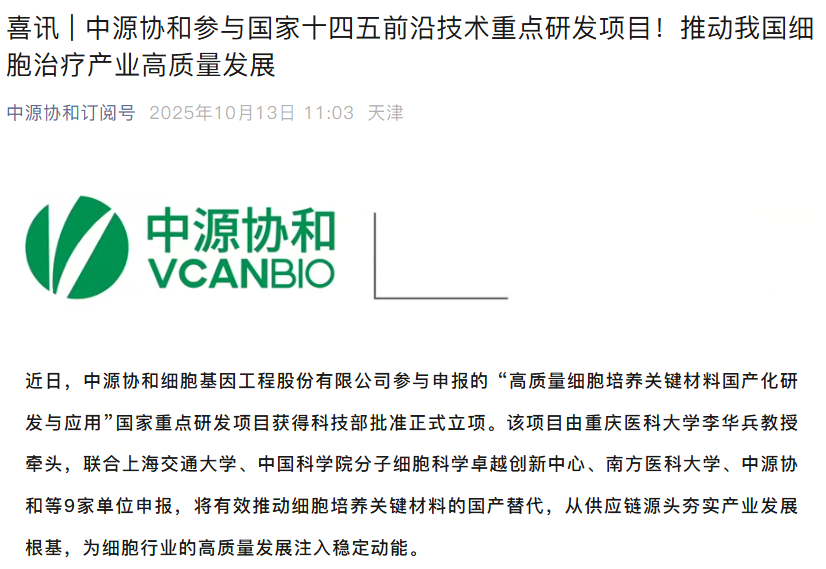
October 13th.The national key R&D project "Localization of key materials for high-quality cell culture R&D and application", jointly declared by 9 units including Zhongyuan Xiehe, has been formally established.TheThis is the most specific and strategic part of the three events, which directly refers to the "lifeblood" of industrial development - supply chain autonomy and control.
The production of cell therapy products is extremely dependent on core raw materials such as fetal bovine serum and chemical composition-limited culture media. The long-term reliance on imports of these materials is not only costly, but also involves risks such as supply chain breaks and batch differences, which seriously restricts the scale, standardization and cost control of the industry.
The significance of the project is:
Cracking the "neck" problem:Aiming at key materials for localization and substitution is a key initiative to strengthen the industrial foundation from the source of supply chain and guarantee the security of national biomedical industry chain.
Promote cost reduction and efficiency:Once localization is achieved, the production cost of cell therapy products will be significantly reduced, laying the foundation for future therapies to enter medical insurance and benefit more patients.
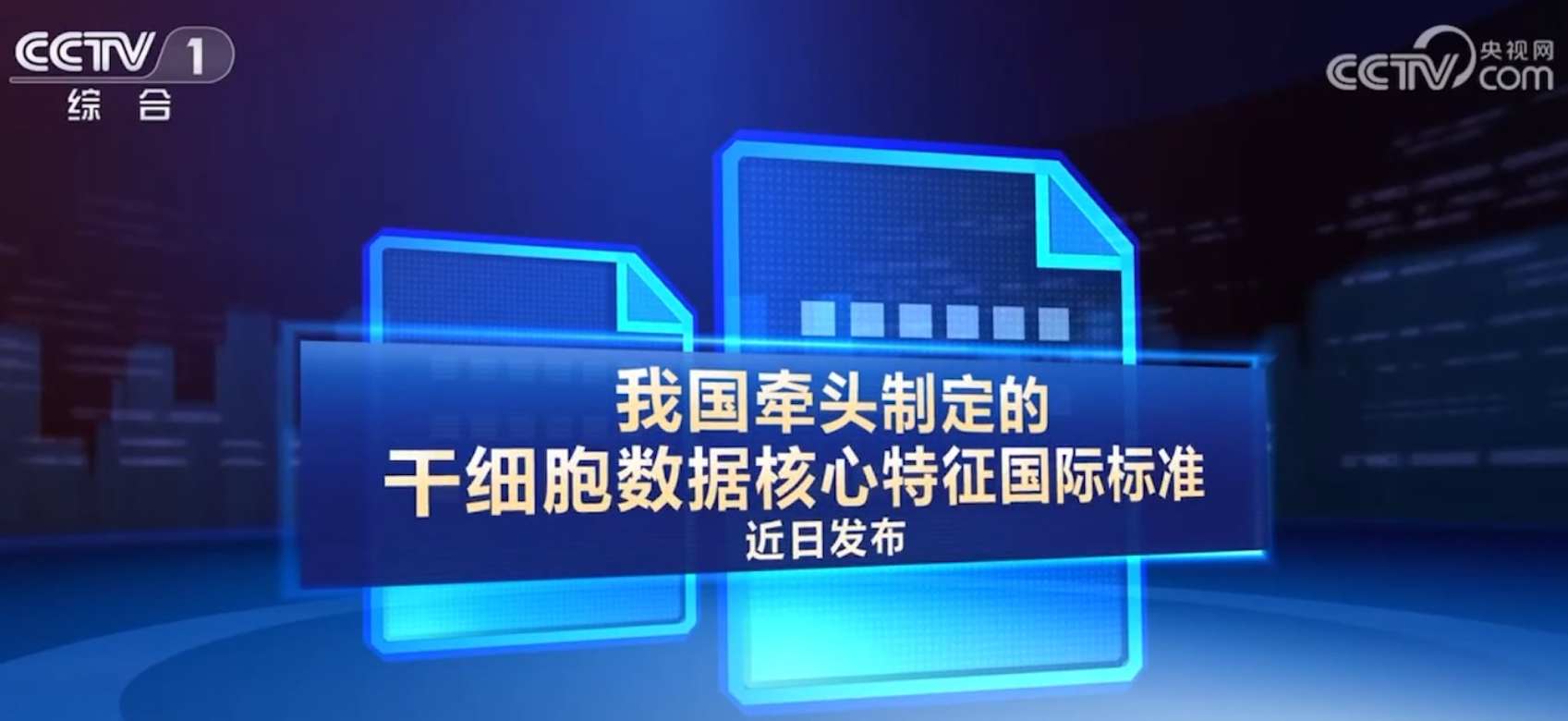
Establishment of industry standards:The project is committed to the establishment of domestic materials process system and application evaluation system, which is actually participating in the development of the industry's "Chinese standards", to enhance China's right to speak in the international arena.
"Trinity" synergistic innovation:The project integrates universities, research institutes and head enterprises, forming a whole-chain innovation model from basic research to technology development to industrial validation, which greatly improves the efficiency of R&D and the conversion rate of results.
Implications for the future:The success of this project will equip China's cell therapy industry with a "domestic heart", freeing the industry from external dependence and realizing high-quality, low-cost, safe and controllable mass production. The role of industrialization verification assumed by Zhongyuan Xiehe in this project also reflects that the main position of enterprises in the innovation ecosystem is being increasingly strengthened.
Summing up: policy, academia, and industry are three arrows in the air, forging the future together
Looking at the three major events, they do not exist in isolation, but constitute a powerful logical closed loop that drives future development:
The Regulations serve as a "framework" to provide institutional safeguards. It delineates the track and ensures that the competition can be conducted under fair and safe rules.
The 15th Annual Stem Cell Conference is a "window" to bring together the power of innovation. It attracts the world's best "players" and "coaches" to exchange the latest "training methods" and "tactical ideas". The event is a great opportunity to exchange the latest "training methods" and "tactical ideas".
With the Zhongyuan Xiehe project as the "foundation", we are consolidating our industrial roots. It is building our own reliable "race cars" and "parts" to ensure that we can continue to lead on the track.
The overall impact on the future of cellular therapy is far-reaching and all-encompassing: we will see a Chinese cellular therapy industry that is more regulated, more innovative, more secure in its supply chain, and more accessible in terms of cost. From the R&D progress of stem cell drugs such as VUM02, to the domestic substitution of key materials, to the protection of national regulations, a fast pathway from the lab to the bedside is being opened. This will not only promote the realization of the "Healthy China" strategy, but also enable China to occupy a more favorable and proactive position in the fierce competition of global biotechnology.
Reference: Source: NHMRC.Science and Technology Daily.Zhongyuan Concord Subscription Number
Disclaimer: This article is intended only to disseminate scientific knowledge and share industry perspectives, and does not constitute any clinical diagnostic advice! The information published by Hangi Stem Cells is not a substitute for the professional advice of a physician or pharmacist. If you have any questions about copyright or other issues, please feel free to contact me.
郑重声明:本文版权归原作者所有,转载文章仅为传播更多信息之目的,如作者信息标记有错误,请第一时间联系我们修改或删除,多谢。

Leave a Reply