


existstem cell therapyIn the field of hematopoietic stem cell transplantation and mesenchymal stem cell transplantation are the two most widely used techniques. The former is regarded as a "radical cure" for hematologic diseases, while the latter shows unique advantages in the fields of tissue repair and immunomodulation.
Despite the similarity of the names, both inCell Source, Therapeutic Mechanism, Disease Adaptation, and Implementation ProceduresThere are essential differences in areas such as. Many patients often confuse them when learning about stem cell therapy, leading to a blurred perception of treatment options. In fact, only by truly understanding the difference between the two can you make aScientific, precise, individualizedThe choice.
This article will take you through the key differences between hematopoietic stem cell transplantation and mesenchymal stem cell transplantation, helping you to understand in one article which transplantation therapy is better for you or your family memberThe
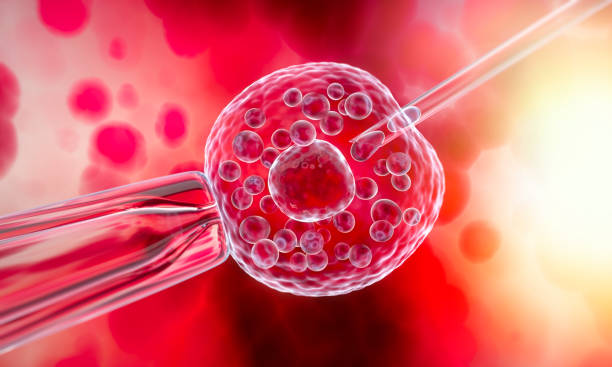
What is the difference between hematopoietic stem cell transplantation and mesenchymal stem cell transplantation? An article to understand how to choose
I. What is the difference between hematopoietic stem cell transplantation and mesenchymal stem cell transplantation? A list of core differences
|
|
|
|
|---|---|---|
|
|
|
|
|
|
|
|
|
|
|
|
|
|
|
|
|
|
|
|
|
|
|
|
II. Different cell sources: the difference between "hematopoiesis" and "regeneration"
From a cellular source, theblood generating stem cells (in bone marrow)Mainly found in the bone marrow, peripheral blood and umbilical cord blood, their task is to produce red blood cells, white blood cells and platelets, the "blood factory" that sustains life. Therefore, the core goals of hematopoietic stem cell transplantation are toRebuilding the blood and immune systemThe
In comparison.mesenchymal stem cell MSC (in cell biology)(MSCs) are more often derived from tissues such as umbilical cord, adipose, bone marrow, and placenta, etc. They are not directly involved in hematopoiesis, but have the ability of multidirectional differentiation, and can be transformed into a variety of cell types such as bone, cartilage, muscle, and nerve. What's more, they can also repair damaged tissues by secreting cytokines and regulating immune responses, and have beenWidely used in neurological disorders, joint injuries, autoimmune diseases, etc.The
It can be simply understood that hematopoietic stem cells are responsible for "blood saving", while MSCs are more inclined to "repair and conditioning".
Third, the treatment mechanism is different: a reconstruction system, a repair function
Hematopoietic stem cell transplants work on the principle of "rebuilding from the ground up."The doctor first removes the abnormal or diseased hematopoietic system in the patient's body through radiotherapy. Doctors first remove the abnormal or diseased hematopoietic system from the patient's body through radiotherapy, and then transplant hematopoietic stem cells from a healthy donor into the patient's body to allow them to "re-root" and restore normal hematopoietic and immune functions. This approach is usually used to treatHematologic diseases such as leukemia, remission, lymphoma, etc.It is the only clinically proven "cure" for some malignant blood diseases.
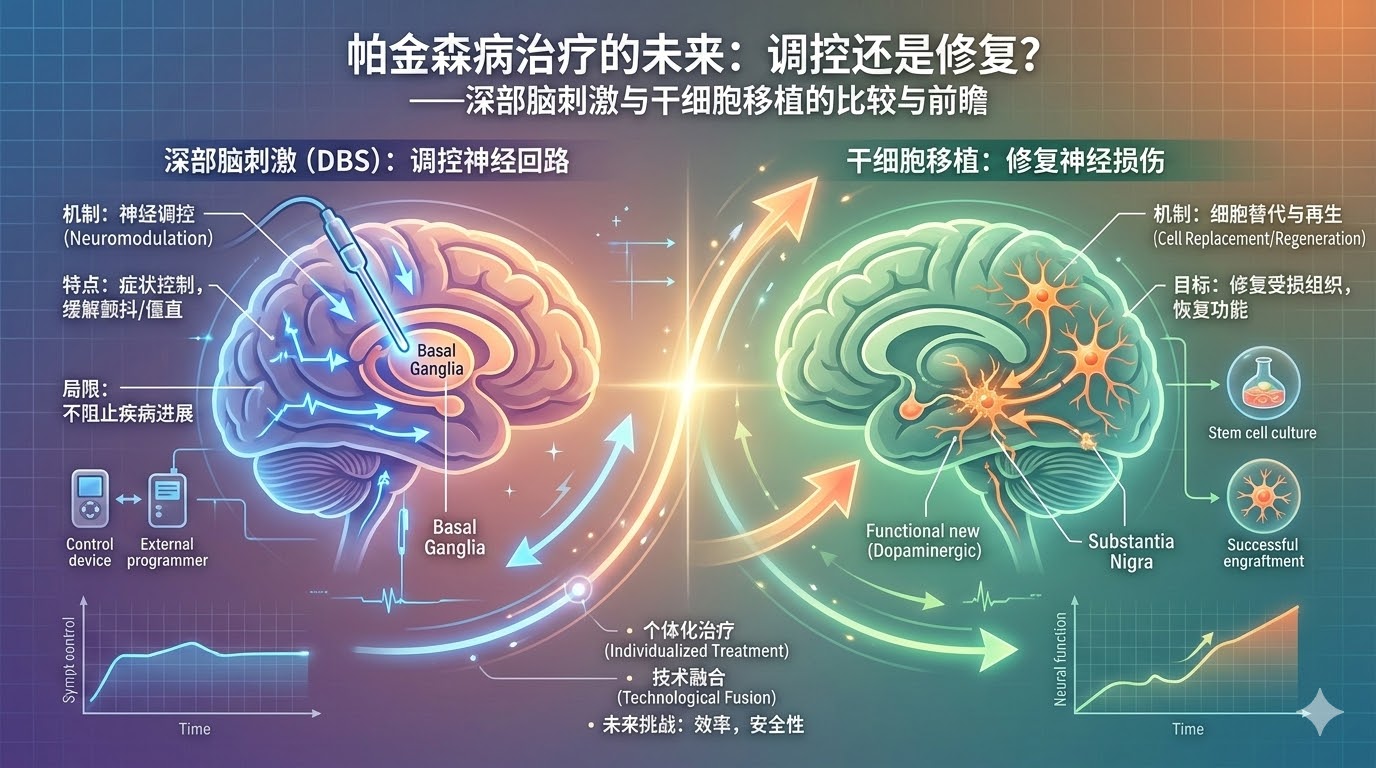
(indicates contrast)Mechanisms of MSC transplantation are gentler, which do not replace the original system, but help the body repair itself by secreting signaling molecules, modulating immune responses, and promoting local microenvironmental repair. For example, in diseases such as cerebral palsy, Parkinson's disease, and osteoarthritis, they reduce the inflammatory response and promote nerve or cartilage regeneration, thereby improving function and slowing down the disease.
If hematopoietic stem cell transplantation is like "replacing the engine", then MSC transplantation is more like "repairing the damage of the engine", both of them are in different directions and have different roles to play.
Four,Clinical applications: solving different problems in different areas
haematopoietic stem cell transplantationIt is mainly used to treat hematologic disorders such as:
-
All types of leukemia (acute, chronic)
-
aplastic anemia (med.)
-
myelodysplastic syndrome (medicine)
-
Lymphoma, multiple myeloma
-
Thalassemia major, congenital immunodeficiency disease, etc.
Most of these diseases are life-threatening and medications have limited effect, so transplantation is often the "last hope".
(indicates contrast)mesenchymal stem cell transplantationA wider range of indications covering chronic degenerative and immune-related diseases such as:
-
Cerebral palsy, post-stroke syndrome, spinal cord injury
-
Parkinson's disease, Alzheimer's disease
-
Osteoarthritis, femoral head necrosis
-
Systemic lupus erythematosus, rheumatoid arthritis
-
Diabetes, premature ovarian failure, cirrhosis of the liver, etc.
It is more in favor ofImproved function and quality of lifeIt is not "salvage" treatment.
V. Comparison of operational processes and risks: security has its own focus
in terms of operational processes and risks:
Hematopoietic stem cell transplantation is relatively complexThe doctor needs to first select a donor and perform a strict HLA matching to ensure the safety of the transplant. Doctors need to first select a donor and conduct strict HLA matching to ensure the safety of the transplant. Next, the patient is "cleansed" through radiotherapy to remove abnormalities in the blood-forming system to make room for the new stem cells. After stem cell transfusion, the patient is usually closely monitored in a sterile isolation room to prevent infection and other complications. In the short term, the main risks associated with the transplantation process include infection, bleeding, and graft-versus-host reaction (GVHD), but with the standardized monitoring, infection prevention, control, and supportive care systems in place in modern hospitals, these risks have been dramatically reduced, and the vast majority of patients make it through the critical period safely.
In comparison.The process of MSC transplantation is much simpler, theIt is often administered by intravenous infusion or local injection. Patients may experience transient fever or mild malaise after the procedure, but these discomforts are usually manageable and reversible. GMP-grade laboratory-prepared MSCs have shown a favorable safety profile and few side effects in clinical applications, making them an important option in the field of chronic degenerative diseases and immunomodulation.
VI. Industry status and technological progress
In terms of industry development, hematopoietic stem cell transplants have accumulated more than 2 million cases worldwide, according to theChinese Marrow BankThe latest figures have also exceeded 20,000 annual domestic transplants, with success rates continuing to improve. Continuing technological advances, such as hemi-compatible transplantation and precise pre-treatment protocols, have led to significant improvements in both safety and efficacy.[1]
The field of mesenchymal stem cells is currently mostly in the clinical research stage in China, but the number of transplants has also exceeded 1,500, covering a variety of directions such as neurological, immune, bone and joint and metabolic diseases. A number of domestic scientific research and medical institutions have achieved stage-by-stage results, showing good safety and functional improvement effects.
VII. How to choose: the key is the type of disease
When choosing a specific treatment, scientific judgment should be made based on the type of disease and the patient's needs.Hematopoietic stem cell transplantation is usually the first choice in the case of hematologic diseases or critical blood disorders; if it ischronic or immune-related diseases, MSC therapy may be more appropriate.
In some cases, the two therapies can also be used in combination or in phases under the guidance of a doctor to balance life-saving and rehabilitation needs. Regardless of which modality is chosen, regular hospitals, formal institutions, an experienced team of doctors, scientific assessment and standardized practices are key to ensuring safety and efficacy.
concluding remarks
Hematopoietic stem cell transplantation and mesenchymal stem cell transplantation represent two different directions in regenerative medicine: the former focuses on "breaking down the old and building up the new" by rebuilding the hematopoietic system in order to cure the disease, while the latter focuses on "patching up" by regulating and repairing the disease to improve the condition.
Understanding the essential differences between the two can help patients and families make more informed decisions when faced with treatment choices. Regardless of which treatment is being considered, the most appropriate treatment option should be chosen under the guidance of a medical professional, based on scientific evidence and the individual's condition.
References:
[1] https://www.shcn.gov.cn/col8304/20250811/1296016.html
Disclaimer: This article is intended only to disseminate scientific knowledge and share industry perspectives, and does not constitute any clinical diagnostic advice! The information published by Hangi Stem Cells is not a substitute for the professional advice of a physician or pharmacist. If you have any questions about copyright or other issues, please feel free to contact me.
郑重声明:本文版权归原作者所有,转载文章仅为传播更多信息之目的,如作者信息标记有错误,请第一时间联系我们修改或删除,多谢。


Leave a Reply